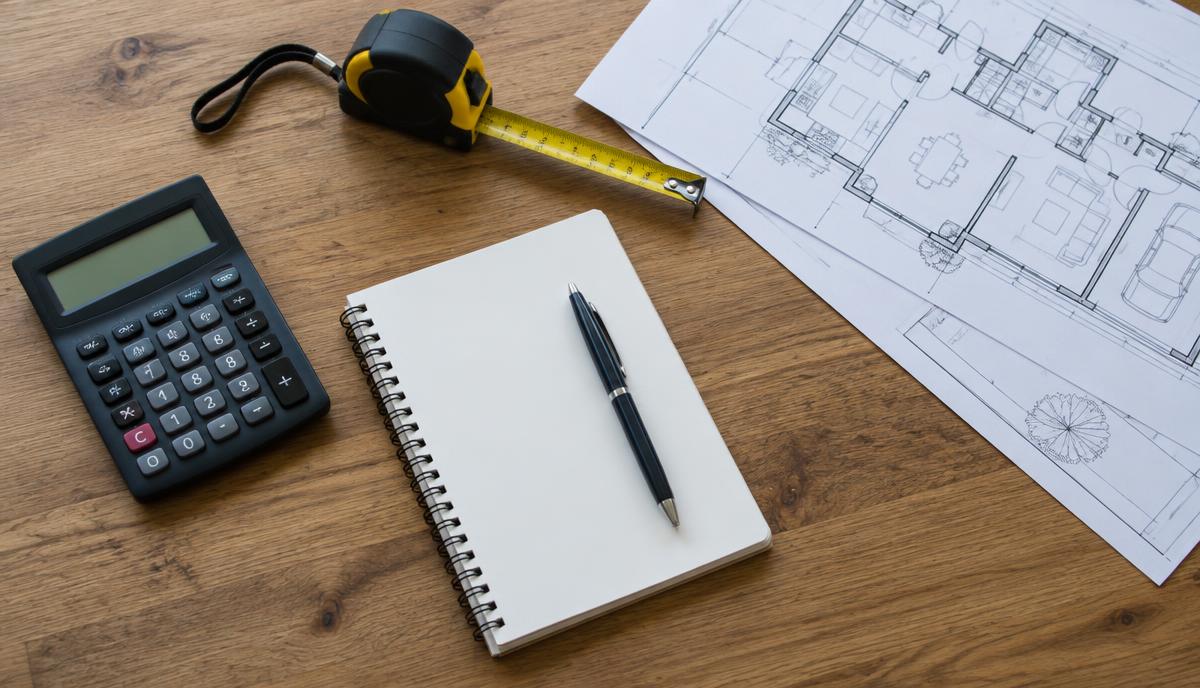
Roofline footage is only part of the price. Learn how access, mounting tracks, controllers, electrical work, and warranty coverage shape an installed lighting quote.
A 150-foot roofline can produce very different bids because permanent outdoor lighting cost depends on access, mounting details, and power layout, not just footage. A straight ranch fascia is usually quicker to work on than the same length split across tall gables.
Here’s how to compare those bids without paying for unclear extras or cutting corners that cause service calls later.
What Is a Typical permanent outdoor lighting cost?
For early budgeting, a broad installed range is roughly $15 to $40 per linear foot. Difficult access, custom track, electrical work, or more involved controls can push projects above that range. Small jobs may carry minimum charges that raise the effective per-foot price.
At that range, 150 feet would work out to about $2,250 to $6,000. Treat this as a planning allowance, not a national rate card or a promised quote.
For permanent outdoor lighting cost comparisons, ask what each foot includes. Lights mounted directly under a soffit and lights enclosed in fitted channels aren’t the same scope.
Why Roof Height and Complexity Change the Price
Permanent outdoor lighting mounts along soffit, fascia, and rooflines using tracks or mounts. Installers plan it for year-round use, with app-driven scenes instead of seasonal removal.
However, working height changes production speed. A ladder setup over a flat driveway is simpler than a lift working around landscaping or a narrow side yard.
- Straight, single-story runs: Usually fewer cuts, moves, and connections.
- Second-story eaves: More access equipment and slower handling of long track sections.
- Gables and steep pitch: More angle cuts, access planning, and separate roofline segments.
- Soffit returns and dormers: More transitions, cable routing, and finish work.
- Damaged fascia board: Repairs may need a separate contractor before installation.
In addition, local labor and site conditions matter. Phoenix heat, Minneapolis ice, and tight Seattle lots affect scheduling and access differently; none creates a fixed citywide price.
Installer Tip: Check the Surface Before Drilling
Sight along the fascia from both ends before snapping a track line. A bowed fascia board can make a straight channel look crooked. Also, check behind the fastening point so screws don’t puncture the drip edge or pin a vinyl soffit panel that needs room to move.
Tracks, Controllers, and Permanent Lighting Pricing
The permanent outdoor lighting cost also reflects what holds the lights in place. Exposed mounts generally need less fitting than color-matched channels, but track can conceal wiring and give the roofline a cleaner finish.
Deliciosa Decor is LightPro Connect’s affiliated hardware partner for mounting hardware, tracks, and channels. Ask which profile fits your soffit and how it meets existing J-channel.
A drawing might specify 8mm mounting holes or 2.5 inch fastener spacing. Those aren’t universal instructions: the installer must follow the actual hardware requirements and choose fasteners for the substrate.
Count Controllers, Not Just Feet
One controller may not serve every roof section. Separate buildings, disconnected elevations, supported light counts, and low-voltage run length limits can require additional controllers or power supplies.
Meanwhile, app zones don’t necessarily equal physical controllers. Ask how many devices you’ll manage and whether the selected system can coordinate them.
Installer Tip: Leave Room for Service
Leave a service loop at accessible connections so a failed section can be replaced without pulling apart the next run. Keep that slack secured and concealed, and route cables so water doesn’t follow them into a connection or enclosure.
How to Read a Permanent Outdoor Lighting Quote
A useful quote separates equipment, installation, and exceptions. This comparison shows why two similar totals can buy different work.
| Quote Item | Less Detailed Bid | Clearer Bid |
|---|
| Coverage | Front roofline | Measured footage and marked roof sections |
| Mounting | Mounts included | Track profile, color, and fastening method |
| Controls | App control | Controller count, power supplies, and setup |
| Access | Installation included | Lift charges and access assumptions identified |
| Support | Warranty included | Separate product and workmanship terms |
To check permanent outdoor lighting cost fairly, divide the installed total by the same measured footage. Then compare exclusions, because a lower rate may omit track, outlet work, or difficult elevations.
- Mark the exact rooflines you want covered.
- Confirm footage, including gables and returns.
- Request itemized hardware, labor, controls, and access charges.
- Identify taxes, permits, electrical work, and repair exclusions.
- Review payment milestones, change orders, and service terms.
Power, Weather Ratings, and Ongoing Costs
An IP65 marking doesn’t make every connection suitable for standing water. Check the ratings and installation instructions for lights, extensions, power supplies, and enclosures separately.
Ask about GFCI protection and whether a licensed electrician must add or relocate an outlet. The Electrical Safety Foundation’s outdoor safety guidance offers useful precautions.
Electricity usually matters less than the initial installation, but brightness and operating hours still count. Calculate monthly use as watts divided by 1,000, multiplied by hours and your electricity rate; the Department of Energy’s LED lighting guide explains LED efficiency.
Frequently Asked Questions
How Much Does Lighting the Front of My House Cost?
Start with measured footage and the broad $15 to $40 installed range, then allow for access and electrical extras. Front-only coverage often reduces permanent outdoor lighting cost, but tall peaks can offset those savings. Ask for front-only and expanded options using the same equipment and mounting method.
What Warranty Should an Installer Provide?
Request written product and workmanship terms separately. Confirm who handles diagnosis, replacement labor, shipping, and lift rental if a high section fails. In addition, ask whether app setup and network troubleshooting are covered. A long hardware warranty doesn’t automatically pay for a technician to return.
How Long Can One Lighting Run Be?
There’s no universal maximum. Supported length depends on the exact product, power supply, controller, extensions, and permitted connection layout. Ask the installer to document low-voltage run length against manufacturer limits. Don’t assume extra cable or a larger power supply can safely extend a system beyond its specifications.
Can I Control Everything From One App?
Often you can manage a compatible system through its app, but cross-brand control and synchronized scenes aren’t automatic. Before buying, confirm schedules, zones, Wi-Fi requirements, account ownership, and behavior after power loss. Have the installer demonstrate your everyday scene and hand over account access before final payment.
How Do I Find a Qualified Installer Near Me?
LightPro Connect is a nationwide, manufacturer-neutral marketplace with vetted installers covering Govee, Lumary, Eufy, Nanoleaf, Philips Hue Festavia, and Enbrighten Eternity. Review supported lighting brands and use the visualizer to see it on your own home and get matched with installers. Confirm insurance, relevant experience, and applicable licensing yourself.
How Long Does Installation Take?
A straightforward home may take roughly one to two working days, while complex rooflines or electrical preparation can take longer. Booking lead time is separate from installation time. Ask for both, along with weather contingencies and whether track fabrication, lift delivery, testing, and app training are included.
How Can I Compare Quotes for My Home?
Send the same roofline photos and coverage notes to each installer. LightPro Connect uses one request to return multiple local quotes, with timing and availability depending on your area. When you’re ready, request and compare local installation quotes with matching footage, mounting details, and warranty terms.